

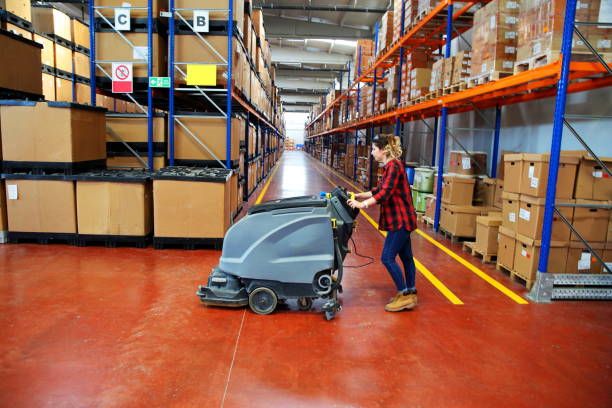
Industrial facilities face unique challenges that standard cleaning cannot address. Heavy machinery, hazardous materials, and strict safety regulations demand specialised attention. Industrial cleaning services provide the professional oversight needed to manage these risks effectively. Poor maintenance creates hazards that affect both workers and production schedules, making expert intervention a necessity rather than a luxury.
Industrial cleaning services handle tasks beyond the scope of regular janitorial work. These teams tackle oil spills, chemical residues, and accumulated dust that can damage equipment or pose health hazards. The difference between general cleaning and industrial work lies in the equipment used, the training required, and the understanding of sector-specific regulations.
Understanding Industrial Cleaning Standards
- Specialised Equipment and Methods: Industrial environments require pressure washers, industrial vacuums, and degreasing agents designed for heavy-duty applications. Standard mops and household products simply cannot handle the scale or severity of contamination found in warehouses, factories, or processing plants. Professional teams arrive with machinery built to remove stubborn residues that accumulate on floors, walls, and equipment surfaces.
- Different Challenges Than Office Spaces: Manufacturing floors collect metal shavings, oil, and chemical compounds that create slip hazards and equipment malfunctions. Food processing facilities must meet strict hygiene standards to prevent contamination. Each sector has distinct requirements, and generic approaches fail to address these specific needs properly.
Health and Safety Compliance
- Meeting UK Regulatory Standards: The Health and Safety Executive sets clear guidelines for workplace cleanliness in industrial settings. Businesses must demonstrate regular cleaning schedules, proper waste disposal, and contamination control. Failure to comply results in fines, shutdown orders, or worse—workplace accidents that could have been prevented with proper maintenance protocols.
- Protecting Worker Health: Dust, fumes, and chemical exposure create respiratory issues, skin problems, and long-term health conditions. Regular deep cleaning reduces airborne particles and removes surface contaminants before they become health hazards. Proper ventilation system maintenance prevents the buildup of harmful substances that affect indoor air quality.
- Documentation and Audit Trails: Professional services maintain cleaning logs and inspection records that prove compliance during audits. These documents protect businesses from liability claims and demonstrate due diligence. Many insurance policies require proof of regular professional cleaning to maintain coverage.
Preventing Downtime and Equipment Damage
- Machinery Performance Issues: Dust and debris infiltrate sensitive equipment, causing breakdowns and premature wear. Conveyor systems, HVAC units, and processing machinery operate less efficiently when contaminated. The cost of repairs and replacement parts far exceeds the investment in preventive cleaning.
- Production Disruptions: Unscheduled maintenance stops production lines and delays orders. A single breakdown can cost thousands in lost productivity, missed deadlines, and customer dissatisfaction. Regular cleaning schedules identify potential problems before they escalate into emergency situations that halt operations entirely.
- Long-Term Asset Protection: Clean facilities preserve the value of expensive equipment and infrastructure. Corrosive substances, if left untreated, eat through metal surfaces and structural components. Protecting these assets extends their useful life and maintains operational efficiency.
Professional Industrial Cleaning Benefits
Trained Personnel: Industrial cleaning requires understanding of chemical handling, safety protocols, and industry-specific challenges. Professional cleaners know which products work on different surfaces, how to dispose of hazardous waste properly, and how to work around operational equipment without causing disruptions.
Industrial-Grade Equipment: Professional teams use:
- High-pressure steam cleaners that remove stubborn grease and grime from concrete floors and machinery surfaces.
- Industrial vacuum systems with HEPA filters that capture fine particles and prevent redistribution into the air.
- Specialised degreasing agents formulated for heavy industrial applications without damaging equipment.
- Floor scrubbers designed to handle large surface areas efficiently and thoroughly.
Eco-Friendly Product Options: Modern industrial cleaning balances effectiveness with environmental responsibility. Biodegradable degreasers, water-based cleaning solutions, and reduced chemical concentrations achieve results without creating additional hazards. These products protect workers, reduce environmental impact, and often perform better than traditional harsh chemicals.
Creating Effective Cleaning Schedules
- Daily Maintenance Tasks: High-traffic areas, spill-prone zones, and food preparation spaces need daily attention. Quick response to spills prevents accidents and contamination spread. Regular floor cleaning removes debris before it gets ground into surfaces or tracked throughout the facility.
- Weekly Deep Cleaning: Equipment cleaning, wall washing, and detailed floor maintenance happen on weekly schedules. These sessions address areas that daily cleaning cannot reach and prevent the gradual buildup that eventually requires costly intervention.
- Quarterly Intensive Services: Ceiling cleaning, ventilation system maintenance, and exterior pressure washing occur less frequently but remain essential. These tasks require specialised equipment and extended timeframes, making professional services the practical choice.
Conclusion
Safe, efficient industrial operations depend on professional cleaning that addresses sector-specific challenges. Industrial cleaning services provide the expertise, equipment, and consistency needed to maintain compliance, protect workers, and prevent costly downtime. Businesses that prioritise professional maintenance avoid the hidden costs of neglect and create safer working environments. Contact qualified industrial cleaning professionals to assess your facility’s needs and develop a customised maintenance plan.
Featured Image Source: https://media.gettyimages.com/id/1134402644/photo/woman-doing-cleaning-in-warehouse.jpg?s=612×612&w=0&k=20&c=D9JgX1jpaspFlyXf2miRKhccvQJZvLQWfoi0VHZb5G4=


